


Phone Icon +91 73388 52661 | +91 73388 52663
stephen@mecelp.com | gopinath@mecelp.com

Designing Tomorrow’s Ecology, Today

Journey Towards Sustainable Future

Building cooling and heating is most essential for economic development, productivity, human health, food security and for medical equipments, but it also has a huge climatic impact. In order to reduce the environmental impact we at MECELP offer sustainable heating and cooling solution which will reduce the impact of reduction in carbon foot print.

SUSTAINABLE COOLING SALIENT FEATURERS

  • Integration of Renewable Energy
  • Passive cooling techniques
  • Energy Efficiency

BUILDING ENERGY MODELING AND SIMULATION.

DISTRICT COOLING/HEATING

Sustainable Cooling Solutions

GEOTHERMAL COOLING / HEATING

RADIANT COOLING/ HEATING

Building Energy Modeling and Simulations

Building energy modeling is a simulation tool which is used to calculate  Energy Load, Thermal Loads

The building Modeling will as used in optimising the building energy use.

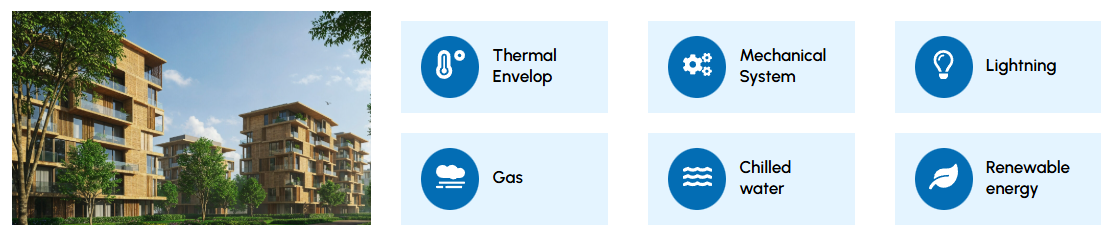
Thermal Envelop

Mechanical System

Lightning

Gas

Chilled water

Renewable energy

Major Usecase of Building energy modelling are

Architecture Design

Green Building

HVAC and Control Design

Measurement and Verification

Policy and Analysis

Profit Design

Financial Incentives

Building Energy Modeling and Simulations

Building energy modeling is a simulation tool which is used to calculate

  • Energy Load
  • Thermal Loads

Building Energy Modeling

Major Usecase of Building Energy Modelling

🏢
Architecture Design
🌱
Green Building
🔧
HVAC and Controls
📊
Measurement and Verification
💸
ROI
💸
Policy and Analysis
📉
Profit design
📉
Financial Incentives

Geothermal Cooling

Our EPC Services for Geothermal Cooling

Geothermal Vapour Absorption Cooling Sytem(VARS)

Geothermal Cooling Geothermal absorption cooling utilizes geothermal energy to power absorption chillers, which produce chilled water for cooling buildings.
  • Geothermal heat source
  • Chiller
  • Cooling distribution

Benefits

  • Utilization of geothermal energy, reducing reliance on electricity.
  • Lower environmental impact due to natural refrigerants and reduced greenhouse gas emissions.
  • Potential for high efficiency and COP values, especially when integrated with geothermal energy systems.

Application

  • Industrial Applications and Process Cooling
  • District Cooling and Heating Systems
  • Commercial and Residential Cooling Solutions

Geothermal Heat Pump

Geothermal Cooling

Geothermal Cooling

Geothermal cooling utilizes the earth’s stable subsurface temperature to provide cooling for buildings.
  • Heat transfer
  • Heat pump
  • Loop System
  • Cooling distribution

Options in Geothermal Cooling

  • Horizontal Loop
  • Vertical Loop
  • Pond/Lake Loop

Applications

  • Residential Building
  • Office building
  • Schools
  • Hospitals
  • Research Facility and Laboratory

Radiant Cooling

Radiant cooling systems typically involve circulating chilled water through a network of pipes embedded in a building’s surfaces, such as ceilings, floors, or walls. These cooled surfaces then absorb infrared heat radiation from objects and people in the room, creating a sensation of coolness.

Using water to transfer thermal energy significantly improves system efficiency when compared to traditional forced air systems.

Design Types

1. Hydronic Systems: Circulate chilled water through pipes embedded in floors, walls, or ceilings.
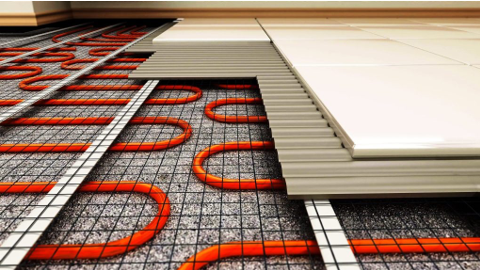
Hydronic Radiant Cooling

2. Radiant Panel Systems: Utilize panels, often installed in ceilings or walls, with a cooled surface to absorb heat.
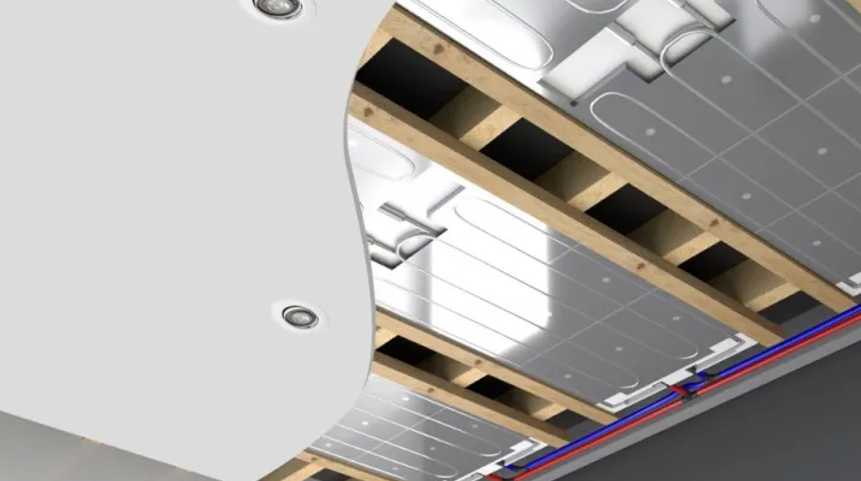
Radiant Panel Ceiling

APPLICATION

  • Office Buildings
  • Schools
  • Hospitals
  • Industries
  • Residential

BENEFITS

  • Improves Energy Efficiency
  • Improves Thermal Comfort
  • Enhances Indoor Air Quality

District Cooling

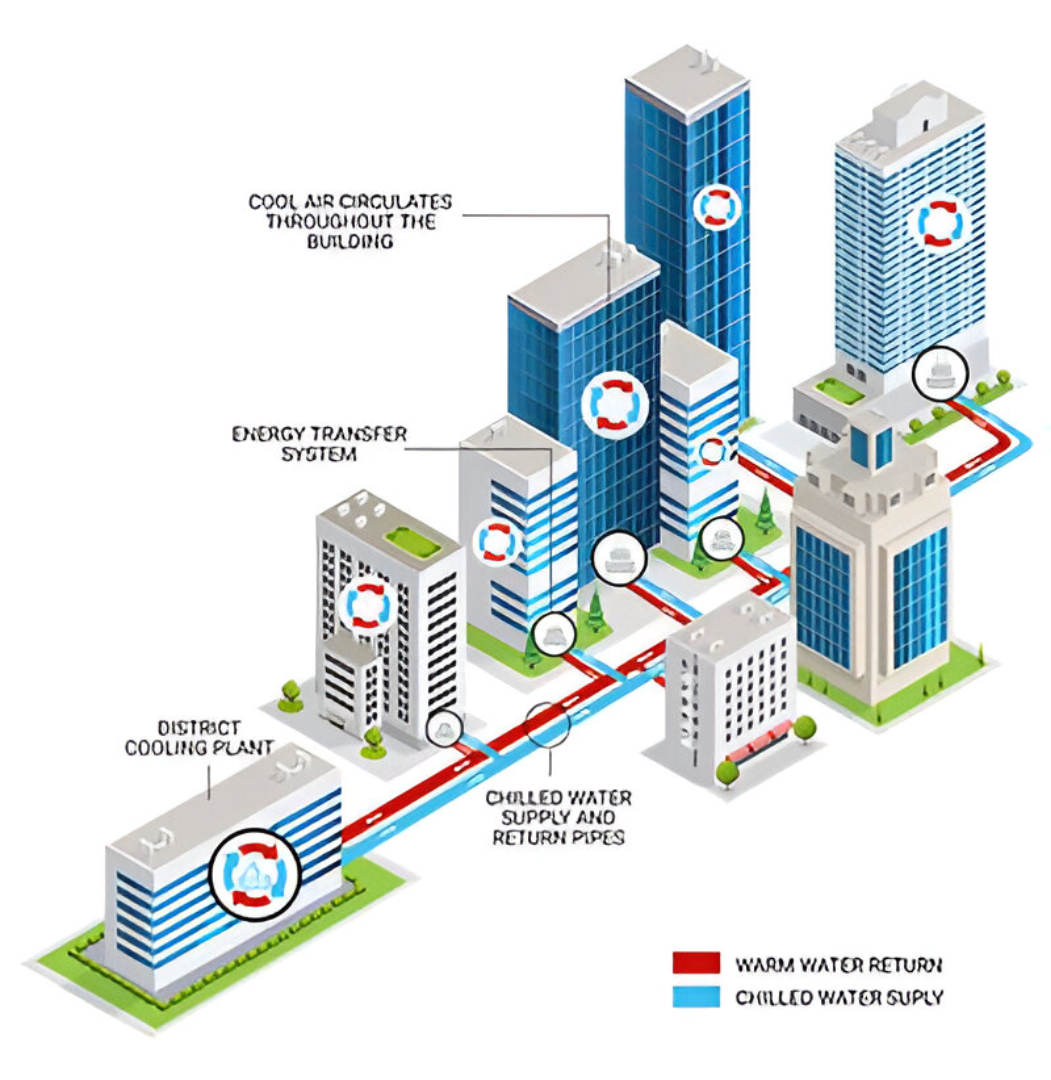
District cooling systems: a sustainable and efficient approach to
cooling

  • District cooling is 5 to 10 times more energy efficient than conventional machine cooling
  • District cooling can reduce cooling energy consumption
    by 50% through higher energy utilization District cooling is becoming more and more relevant as the need for clean cooling increases worldwide

LIKE THIS WE NEED TO DEVELOP A MODULE

In district cooling the source of cooling depends on

  • Absorption chiller.
  • Cooling tower
  • Thermal energy storage

BENIFITS

  • Increase in Energy Efficiency
  • Increase urban planning and aesthetic
  • Reduce environmental impact
  • Reduction in power savings

Geothermal Cooling

APPLICATION

  • Commercial and Residential Buildings
  • Industrial Application
  • Urban Planning

Now It's Your Turn

Join MECELP for Reliable Sustainable Cooling Solutions

Whether you’re planning a new facility or upgrading an existing one, our expert team is ready to deliver precision, performance, and peace of mind.

Geothermal Cooling

Our EPC Services for Geothermal Cooling

Geothermal absorption cooling

Geothermal absorption cooling utilizes geothermal energy to power absorption chillers, which produce chilled water for cooling buildings

Geothermal heat source

Chiller

Cooling distribution

APPLICATION

  • Industrial Applications and process Cooling
  • District Cooling and Heating Systems.
  • Commercial and Residential Cooling Solutions.

Options in geothermal cooling

  • Horizontal Loop
  • Vertical loop
  • Pond/lake loop

Benefits

  • Energy Efficiency
  • Renewable Energy

BENEFITS

  • Utilization of geothermal energy, reducing reliance on electricity.
  • Lower environmental impact due to the use of natural refrigerants and reduced greenhouse gas emissions.
  • Potential for high efficiency and COP values, especially when integrated with geothermal energy systems.

Geothermal cooling utilizes the earth’s stable subsurface temperature to provide cooling for buildings

  • Heat transfer
  • Heat pump
  • Loop System
  • Cooling distribution

Radiant Cooling

Radiant cooling systems typically involve circulating chilled water through a network of pipes embedded in a building’s surfaces, such as ceilings, floors, or walls. These cooled surfaces then absorb infrared heat radiation from objects and people in the room, creating a sensation of coolness

Using water to transfer thermal energy significantly improves system efficiency when compared to traditional forced air systems

Design Types

1. Hydronic Systems: Circulate chilled water through pipes embedded in floors, walls, or ceilings

2. Radiant Panel Systems: Utilize panels, often installed in ceilings or walls, with a cooled surface to absorb heat

APPLICATION

  • Office Buildings
  • Schools
  • Hospitals
  • Industries
  • Residential

BENIFITS

  • Improves Energy Efficiency
  • Improves Thermal comfort
  • Enhance Indoor air quality

APPLICATION

  • Commercial and Residential Buildings
  • Industrial Application
  • Urban Planning

In district cooling the source of cooling depends on

  1. Absorption chiller
  2. Cooling tower
  3. Thermal energy storage

District Cooling

District cooling systems: a sustainable and efficient approach to cooling

  • District cooling is 5 to 10 times more energy efficient than conventional machine cooling
  • District cooling can reduce cooling energy consumption by 50% through higher energy utilization

District cooling is becoming more and more relevant as the need for clean cooling increases worldwide

BENEFITS

  • Increase in Energy Efficiency
  • Increase urban planning and aesthetic
  • Reduce environmental impact
  • Reduction in power savings

Sustainable Design Services

From green design consulting to net-zero readiness, our services help you align with environmental standards and economic goals

Energy Modeling & Simulation

Optimize building energy usage with predictive design tools.

Water Conservation Planning

Integrate low-flow systems, greywater reuse, rainwater harvesting

Material & Resource Strategy

Specify low-impact, recyclable, and locally sourced materials

Waste Management
Design

Implement smart segregation and disposal systems in planning phase

Green Certifications Advisory

LEED, GRIHA, IGBC – we guide you every step of the way

Post-Occupancy Audits & Optimization

Assess real-world performance and improve it further

Why Clients Trust Us

1 Step 1

Evaluation & Modeling

We analyze your site’s energy, water,
and carbon footprint

2 Step 2

Material & Compliance

Eco-material planning aligned with
green standards

3 Step 3

Execution Oversight

On-site checks to ensure sustainable
implementation

4 Step 4

Certification & Optimization

Get certified (LEED, GRIHA, etc.) and
fine-tune performance

Let’s Build Smarter, Together

The future deserves intelligent engineering. Get in touch with MECELP Team.
To bring your next vision for Sustainable Cooling Solutions.

Have a project in mind or need expert advice on Sustainable Cooling Solutions.

Need a custom engineering solution? Let’s talk.

Fill in your details and our team will get back to you shortly

    Scroll to Top